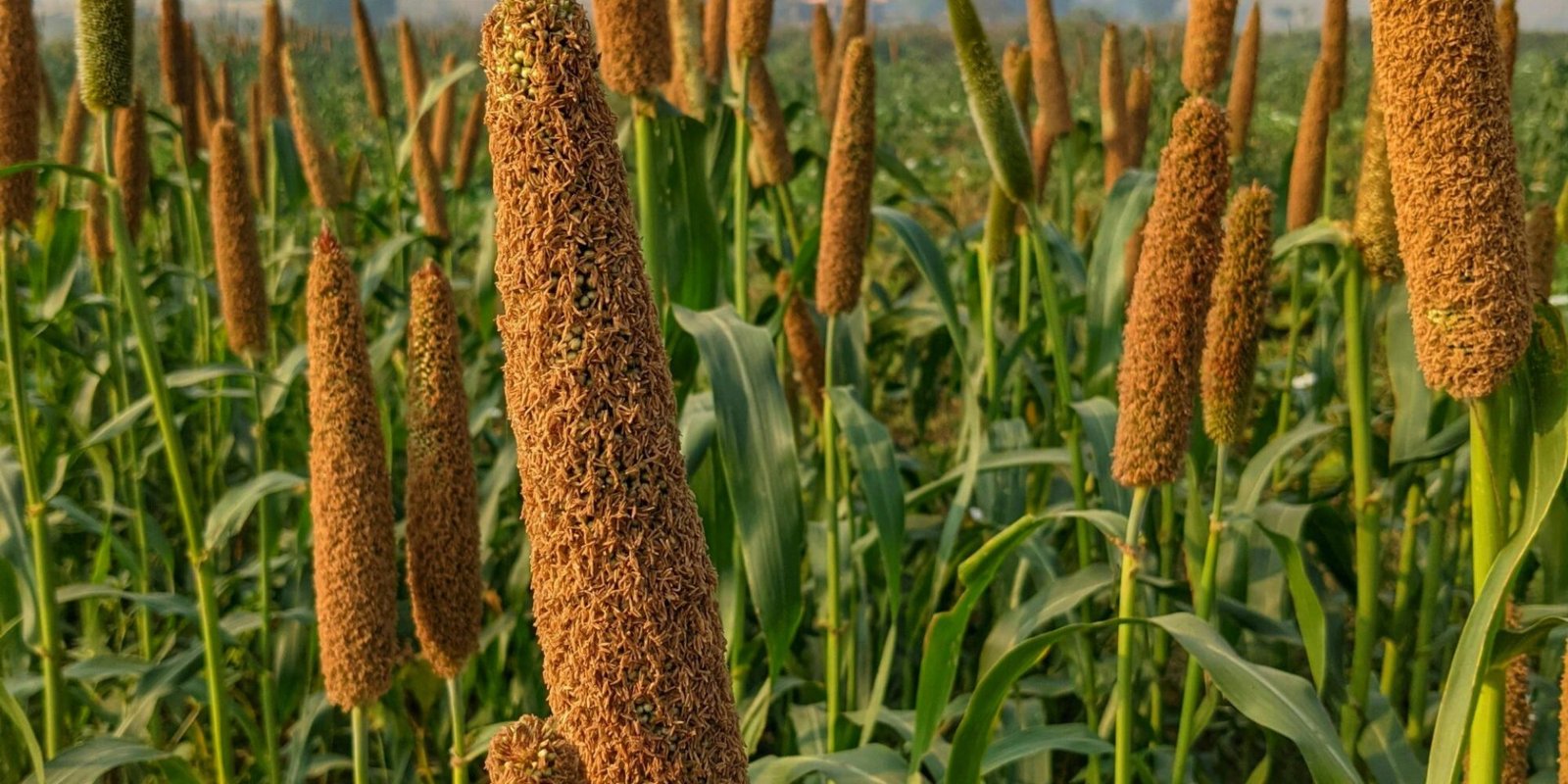
Food Grains & Cereals
Food grains and cereals are staple crops that form the backbone of human nutrition worldwide. They are primarily cultivated for their edible seeds, which are rich in carbohydrates, proteins, vitamins, and minerals, providing a major source of energy in daily diets. Cereals belong to the grass family (Poaceae) and include crops such as wheat, rice, maize (corn), barley, oats, and millet. Pulses and legumes, though sometimes grouped under food grains, are particularly valued for their protein content.
Cereal crops are adaptable to different climates and soils, but each type has specific growing requirements. For example, rice thrives in warm, humid conditions with plenty of water, whereas wheat grows best in temperate regions with moderate rainfall and well-drained soils. These crops are typically sown during specific seasons (kharif or rabi in India), and their cultivation involves land preparation, sowing, irrigation, fertilization, pest control, and harvesting.
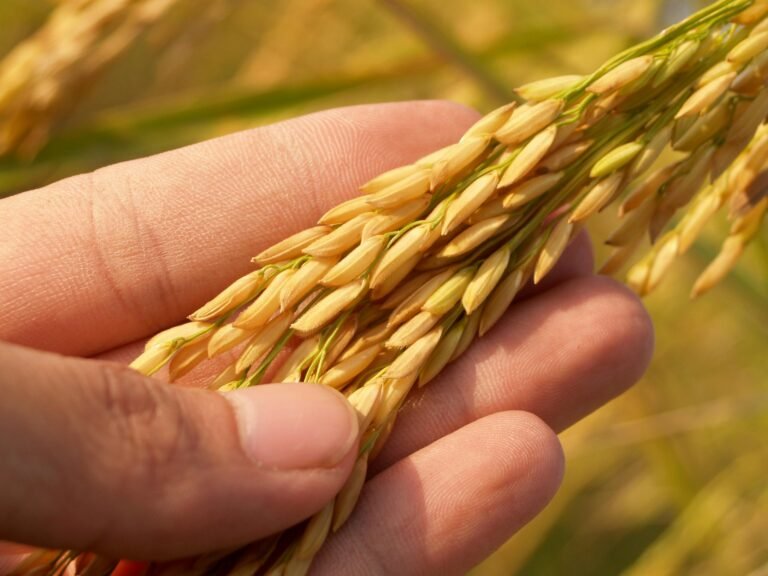
Rice (paddy)
Rice is one of the most important cereal crops in the world, serving as a staple food for more than half of the global population. It is cultivated from the Oryza sativa plant and is highly valued for its carbohydrate-rich grains, which provide a major source of energy. Rice is typically grown in warm, humid climates with abundant water supply, making it particularly suited for regions with heavy rainfall or access to irrigation.
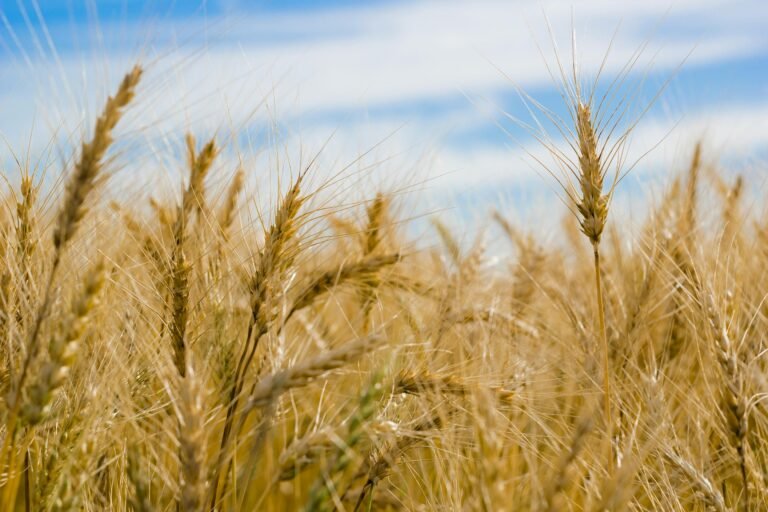
Wheat
Wheat is a major cereal crop and a staple food for millions of people worldwide. It is cultivated from the Triticum species and is valued for its high carbohydrate content, along with proteins (notably gluten), vitamins, and minerals. Wheat is primarily used to make flour for bread, pasta, pastries, and other baked goods, making it a central component of human diets.
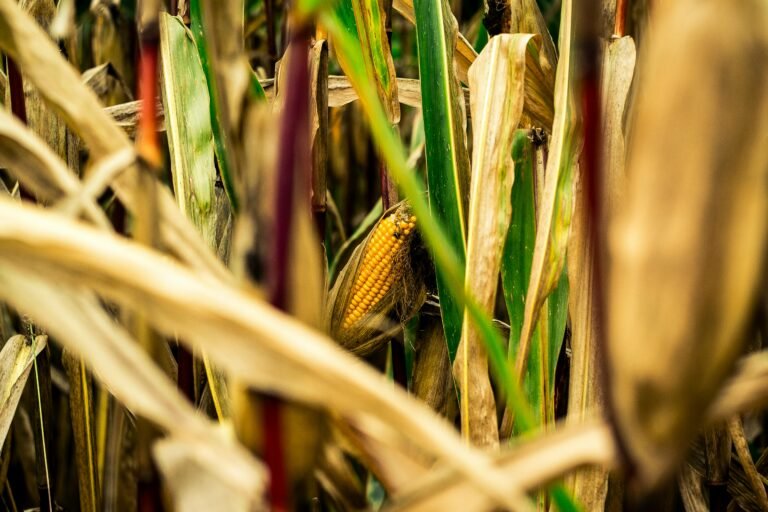
Maize (Corn)
Maize, also known as corn, is a widely cultivated cereal crop and an important source of food, fodder, and industrial products. It is grown from the Zea mays plant and is valued for its high carbohydrate content, along with proteins, vitamins, and minerals. Maize is used for human consumption, as animal feed, and in products such as corn oil, corn starch, and biofuels.
Millets
Millets are a group of small-seeded cereal crops that are highly nutritious, hardy, and drought-resistant. They include varieties such as finger millet (ragi), pearl millet (bajra), foxtail millet, sorghum (jowar), and proso millet, and are valued for their high fiber, protein, vitamins, and mineral content. Millets are an important staple in arid and semi-arid regions due to their ability to grow in poor soils and under low-water conditions, making them crucial for food security in challenging climates.