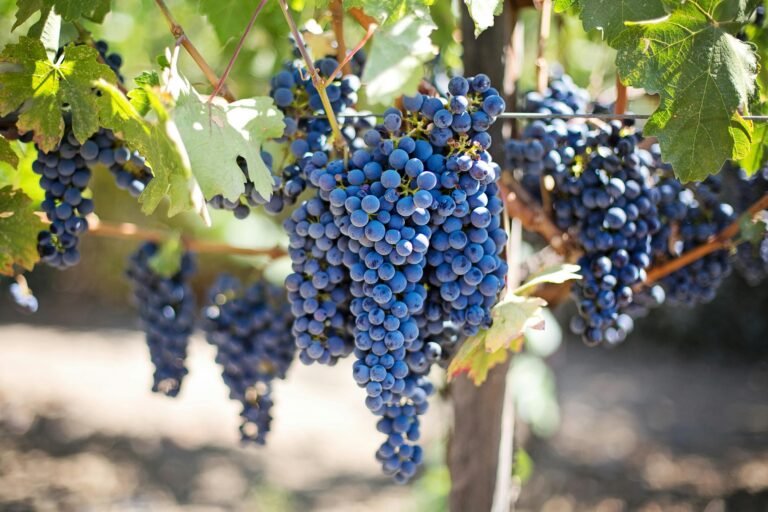
Fruit Crops & Orchards
Fruit crops and orchards are agricultural crops grown primarily for their edible fruits, which provide essential nutrients, vitamins, and minerals. Fruit cultivation is usually done in orchards, where trees or plants are planted systematically for commercial or home production.
Fruit crops include mango, banana, apple, citrus fruits, guava, grape, pomegranate, and papaya, among others. They are valued for their nutritional content, economic importance, and contribution to human health. Fruits provide vitamins (like A, C, and E), minerals (such as potassium and calcium), fiber, and antioxidants, supporting a balanced diet.
Citrus Fruit
Citrus fruits belong to the genus Citrus and include oranges, lemons, limes, and grapefruits. They are widely cultivated for their edible, juicy fruits, which are rich in vitamin C, antioxidants, and minerals.
Citrus fruits grow best in well-drained sandy loam or loamy soils with a slightly acidic to neutral pH of 6.0–7.5. They require a warm, subtropical climate with temperatures between 20–30°C and moderate rainfall of 1000–1500 mm per year. Citrus trees need full sunlight and protection from strong winds and frost.
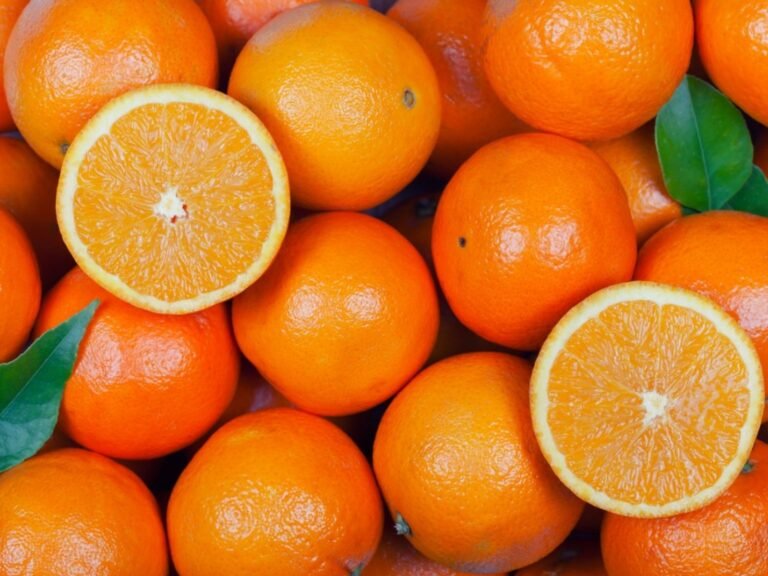
Banana
Banana (Musa spp.) is a widely cultivated tropical fruit crop valued for its nutritional content, high energy, and economic importance. It is grown in plantations and home gardens in tropical and subtropical regions.
Banana plants grow best in well-drained, fertile loamy soils with a pH of 5.5–7.0. They require a warm and humid climate, with temperatures between 26–30°C, high rainfall of 1500–2500 mm, and plenty of sunlight. The crop is sensitive to frost and waterlogging.
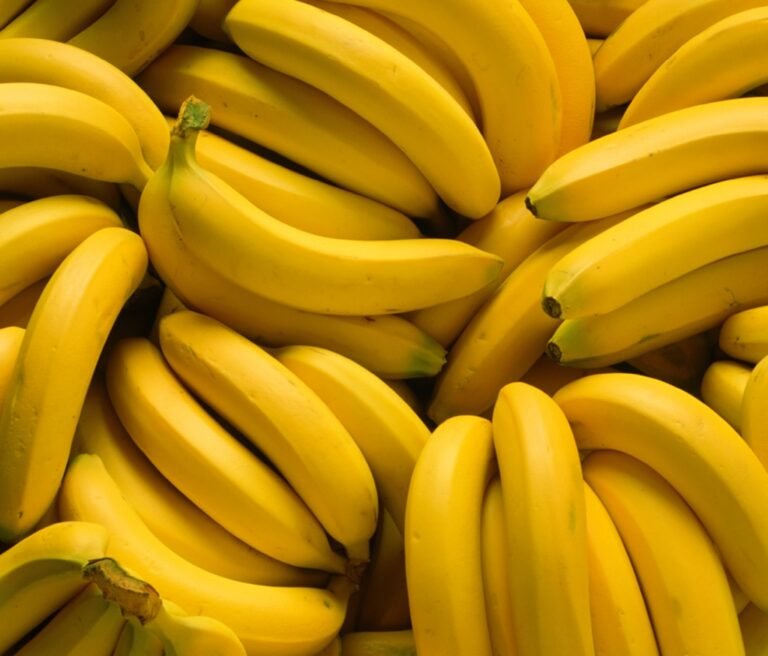
Mango
Mango (Mangifera indica) is a tropical and subtropical fruit crop widely cultivated for its sweet, juicy, and nutritious fruits. It is considered the “king of fruits” due to its popularity, taste, and economic importance.
Mango trees grow best in well-drained loamy or sandy loam soils with a slightly acidic to neutral pH of 5.5–7.5. They require a tropical to subtropical climate with temperatures between 24–30°C and annual rainfall of 750–2500 mm, though they can tolerate dry conditions once established. Mangoes need full sunlight for optimal flowering and fruiting.
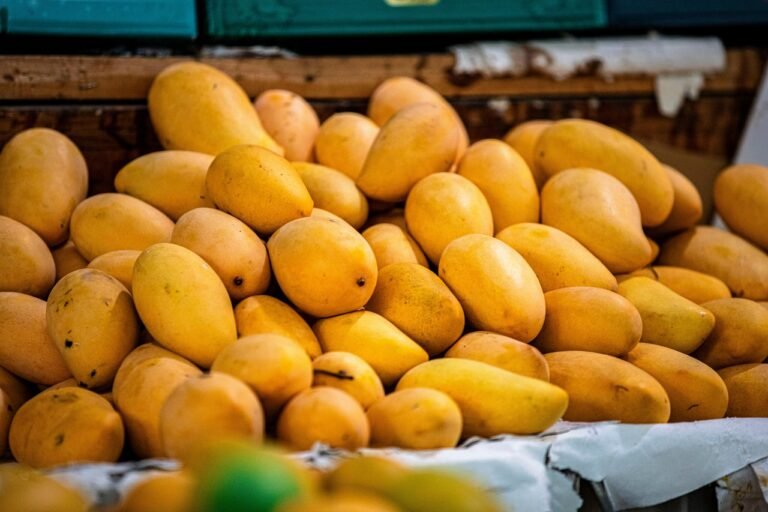
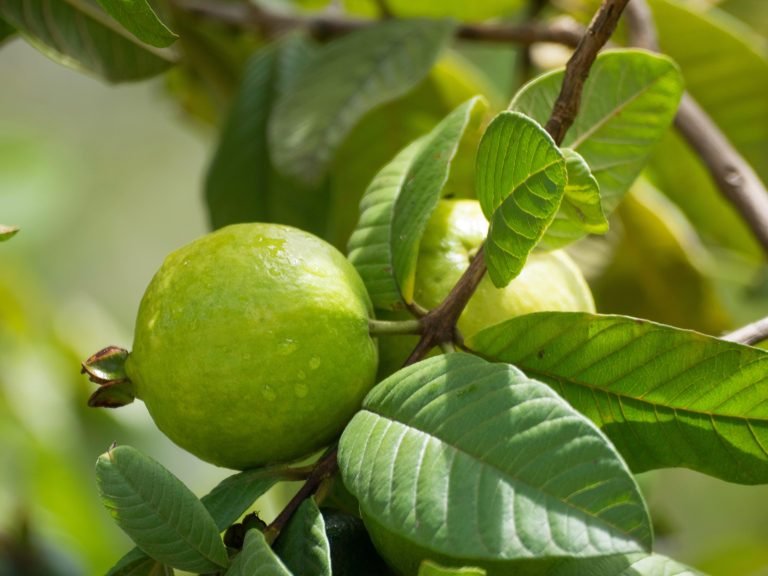
Guava
Guava (Psidium guajava) is a tropical and subtropical fruit crop valued for its sweet, aromatic fruits and high nutritional content. It is widely grown in home gardens and orchards for fresh consumption and processing.
Guava grows well in well-drained loamy, sandy, or clay soils with a pH of 5.5–7.0. It prefers a warm climate with temperatures between 23–28°C and moderate rainfall of 1000–2000 mm, though it is fairly drought-tolerant once established. The crop requires full sunlight for good flowering and fruiting.
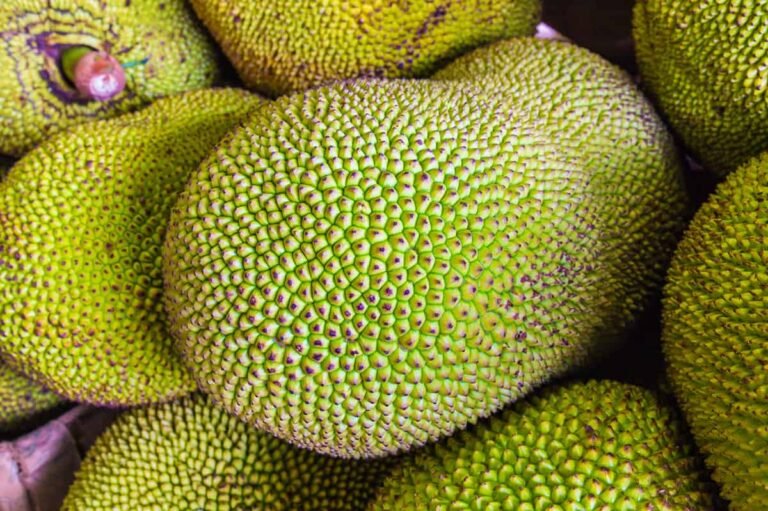
Jackfruit
Jackfruit (Artocarpus heterophyllus) is a tropical fruit crop known for its large, nutritious fruits and multipurpose uses. It is widely grown in tropical regions of Asia, especially in India, Bangladesh, and Southeast Asia.
Jackfruit grows best in deep, well-drained loamy or sandy loam soils with a pH of 6.0–7.5. It requires a tropical climate with temperatures between 25–35°C and annual rainfall of 1500–2500 mm. The crop thrives in areas with high humidity and full sunlight.
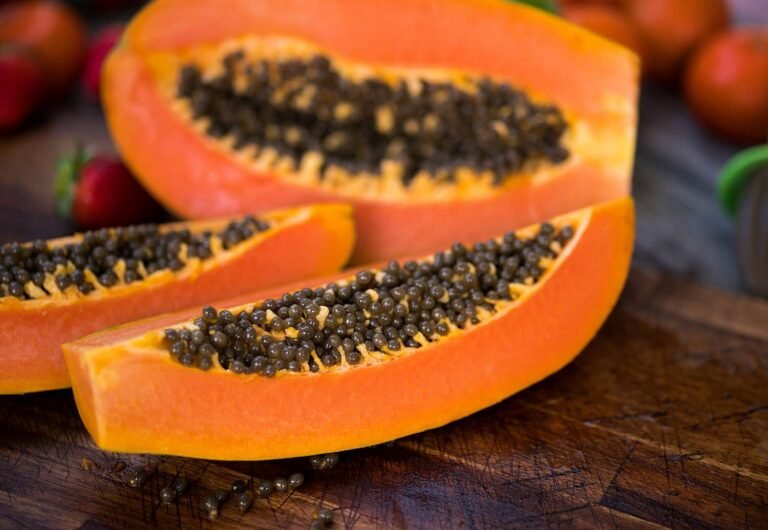
Papaya
Papaya (Carica papaya) is a tropical fruit crop valued for its sweet, soft, and nutritious fruits as well as its medicinal and digestive properties. It is widely grown in tropical and subtropical regions.
Papaya grows best in well-drained loamy or sandy loam soils with a pH of 6.0–6.5. It requires a warm climate with temperatures between 25–30°C and moderate rainfall of 1000–1500 mm. The crop is sensitive to frost and waterlogging and needs full sunlight for optimum growth
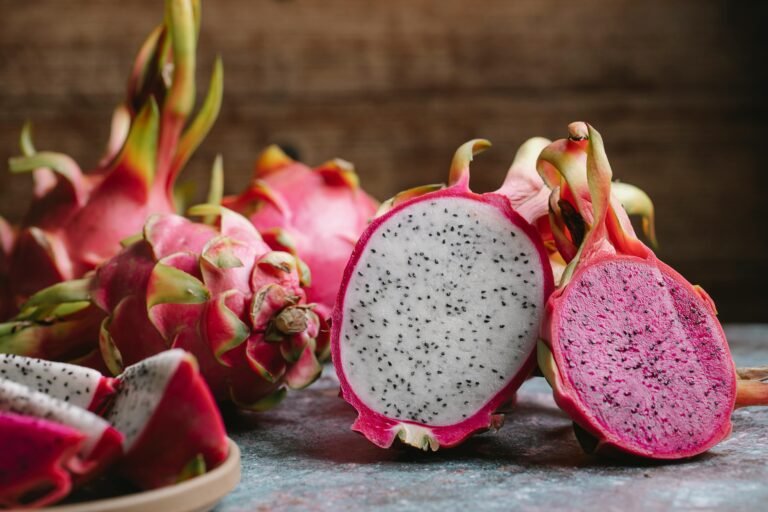
Dragon Fruit
Dragon fruit (Hylocereus spp.), also known as pitaya, is a tropical fruit crop valued for its exotic appearance, sweet taste, and high nutritional content. It is a climbing cactus widely grown in tropical and subtropical regions.
Dragon fruit grows best in well-drained sandy or loamy soils with a pH of 6.0–7.0. It requires a warm climate with temperatures between 20–30°C, moderate rainfall, and plenty of sunlight. The crop is drought-tolerant but sensitive to waterlogging and frost.
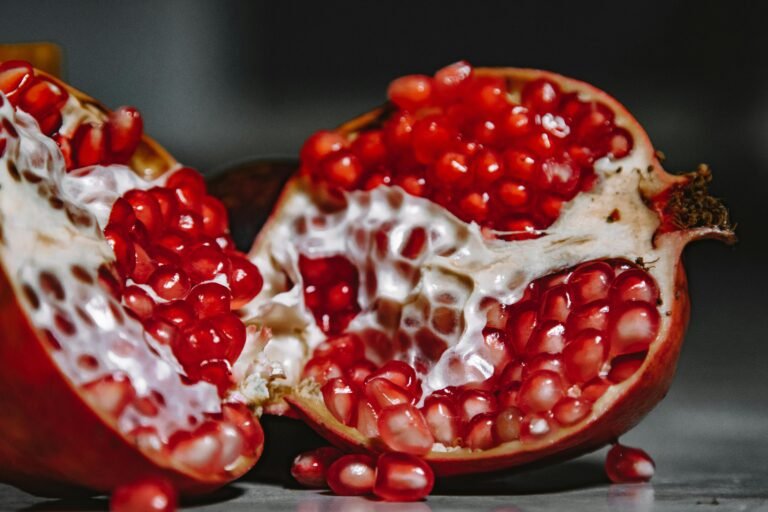
Pomegranate
Pomegranate (Punica granatum) is a fruit crop valued for its edible seeds (arils) and juice, which are rich in nutrients and antioxidants. It is widely cultivated in tropical and subtropical regions, especially in India, Iran, and Mediterranean countries.
Pomegranate grows best in well-drained loamy or sandy soils with a pH of 5.5–7.5. It requires a warm and dry climate, with temperatures between 20–35°C and annual rainfall of 500–800 mm. The crop is drought-tolerant but sensitive to waterlogging.
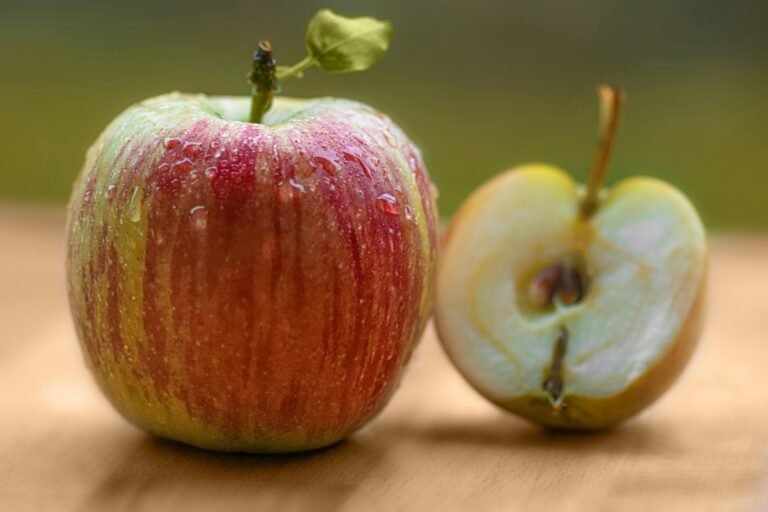
Apple
Apple (Malus domestica) is a temperate fruit crop widely cultivated for its sweet, crisp, and nutritious fruits. It is one of the most popular fruits globally and is grown mainly in hilly and cooler regions.
Apple grows best in well-drained loamy soils rich in organic matter, with a slightly acidic to neutral pH of 6.0–7.0. It requires a temperate climate with temperatures between 18–24°C during the growing season and cold winters for proper dormancy. Adequate sunlight and moderate rainfall or irrigation are essential for optimum growth.
Grapes
Grapes (Vitis vinifera) are a widely cultivated fruit crop grown for their sweet, juicy berries, which are used for fresh consumption, juice, wine, raisins, and other products. Grapes are an important horticultural crop in temperate and subtropical regions.
Grapes grow best in well-drained loamy or sandy loam soils with a pH of 6.0–7.0. They require a warm climate with temperatures between 20–30°C, low to moderate rainfall, and plenty of sunlight. Grapevines are sensitive to waterlogging and frost, so proper drainage and site selection are crucial.