Oilseed Crops
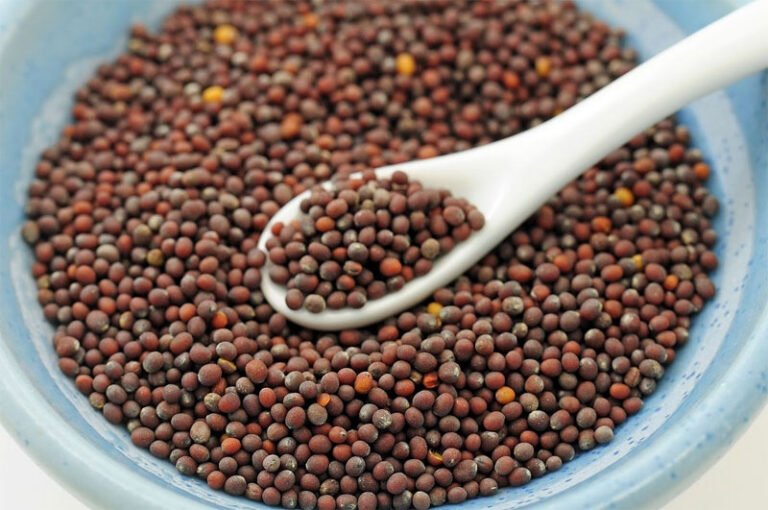
Oilseed crops are agricultural crops grown mainly for the oil extracted from their seeds. These oils are widely used for cooking, food processing, industry, and medicine. Oilseed crops play an important role in the economy and in meeting nutritional needs. Common oilseed crops include groundnut, mustard, sunflower, sesame, soybean, safflower, linseed, castor, and coconut. The seeds of these crops contain a high percentage of oil, ranging from about 20% to 50%, depending on the crop.
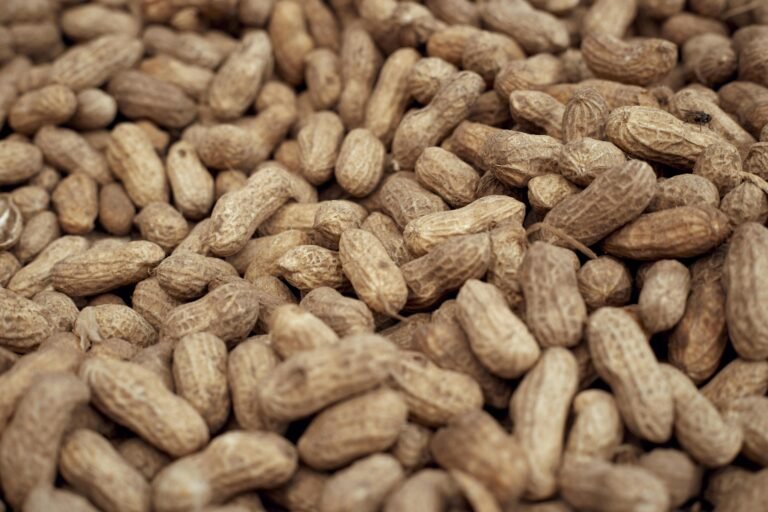
Groundnut
Groundnut, also known as peanut (Arachis hypogaea), is an important oilseed and legume crop widely grown in tropical and subtropical regions. It is valued for its edible oil, protein content, and economic importance. Groundnut grows best in well-drained sandy loam or loamy soils with a pH of 6–7.5. It requires a warm climate with temperatures between 25–35°C, moderate rainfall of 500–1000 mm, and plenty of sunlight. The crop is usually grown during the Kharif season, though it can also be cultivated in irrigated conditions during other seasons.
Sunflower
Sunflower (Helianthus annuus) is an important oilseed crop grown widely for its high-quality edible oil and attractive appearance. It is known for its large, bright yellow flower head that follows the direction of the sun during early growth stages.

Sesame
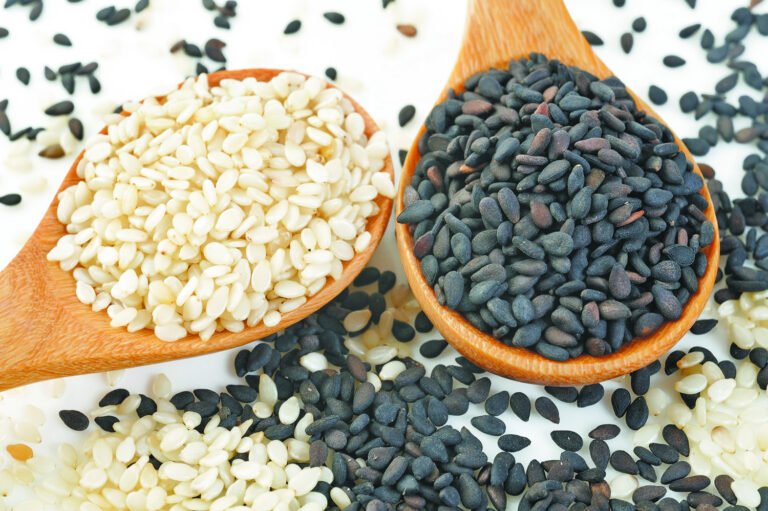
Sesame (Sesamum indicum), also known as til, is one of the oldest oilseed crops grown in tropical and subtropical regions. It is valued for its high-quality edible oil and nutritional importance.
Sesame grows well in well-drained sandy loam or loamy soils with a pH of about 5.5–7.5. It requires a warm climate, with temperatures between 25–35°C, low to moderate rainfall of 300–600 mm, and plenty of sunlight. The crop is drought-tolerant but sensitive to waterlogging and frost. It is mainly grown during the Kharif season, though it can also be cultivated in some regions during Rabi and summer seasons under irrigation.
Mustard
Mustard (Brassica species) is an important oilseed crop widely cultivated in temperate and subtropical regions, especially in India. It is valued for its edible oil, seeds, and leaves, which are commonly used as food and condiments.
Mustard grows best in well-drained loamy or alluvial soils with a pH of 6.0–7.5. It prefers a cool and dry climate, with an ideal temperature range of 15–25°C and moderate rainfall of about 300–500 mm. The crop is mainly grown during the Rabi (winter) season.